


Crack ‘The Core’ - 8 Key Sections Every Student Should Master
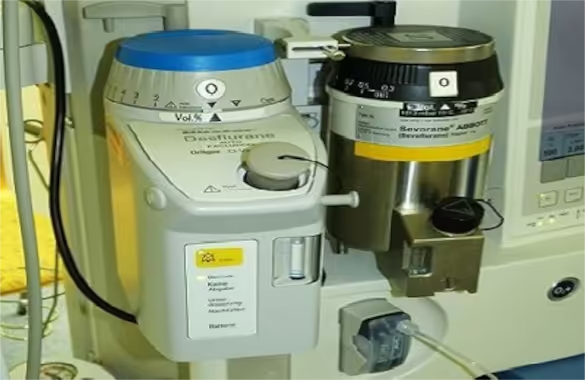
1. INSTRUMENTS & EQUIPMENT USED DURING ANESTHESIA

2. ANESTHESIA PHARMACOLOGY & DRUGS
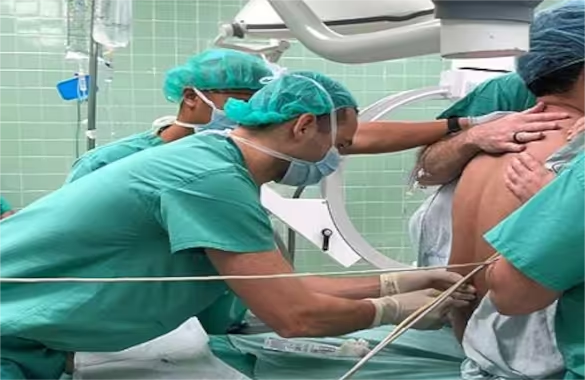
3. PROCEDURES IN ANESTHESIA PRACTICE
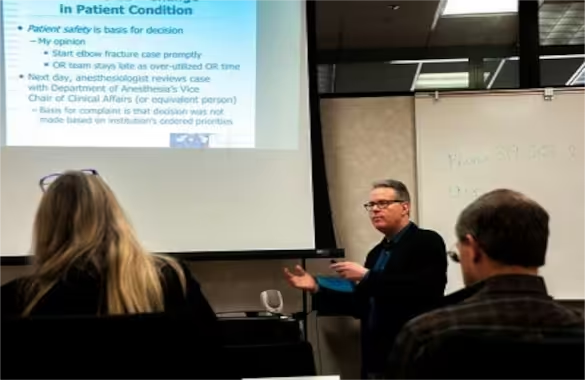
4. PRESENTATIONS IN ANESTHESIOLOGY
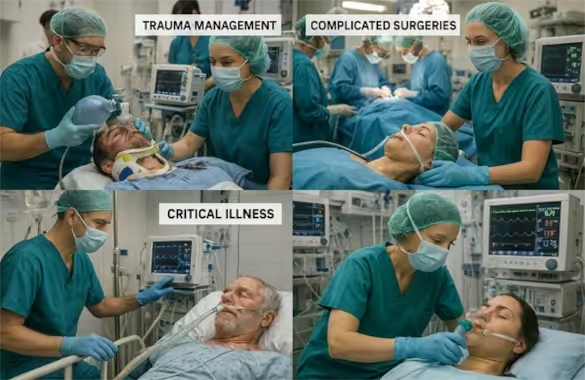
5. CLINICAL SCENARIOS DURING ANESTHESIA
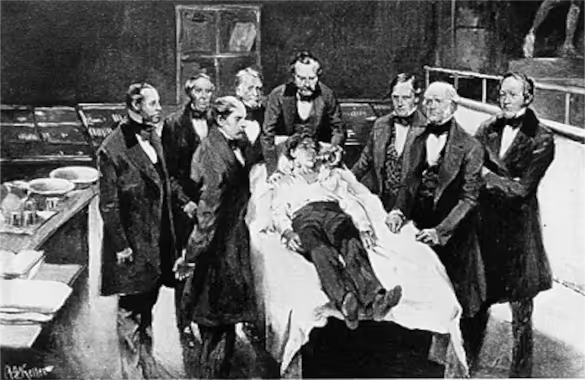
6. HISTORY OF ANESTHESIA

7. ANESTHESIA CLINICAL CALCULATOR

8. SCORING AND GRADING IN ANESTHESIA
Anesthesia Machine & Anesthesia Workstation
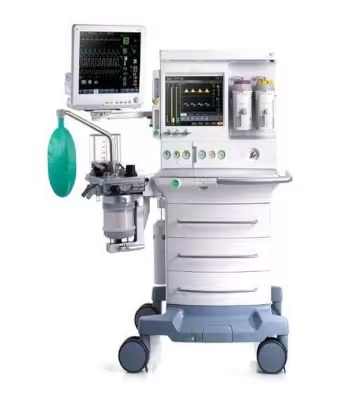 Welcome to the nerve center of the operating room. The anesthesia workstation, with its complex array of dials, circuits, and monitors, can seem like an intimidating beast. But what if you could master it? This comprehensive resource is your guide on a fascinating journey—from the historic, clunky elegance of the Boyle's machine to the sleek, intelligent workstations of Dräger, GE, and Mindray that define modern practice. We will demystify the physics, deconstruct the components, and build your confidence. This isn't just about learning a machine; it's about understanding your most critical partner in ensuring patient safety.
Our journey will be a methodical one. We'll start by laying a strong foundation, exploring the history and the core physics that govern every machine. From there, we'll build up your knowledge piece by piece, dissecting the classic anatomy of an anesthesia machine and mastering the circle breathing system. Only then will we leap into the modern era, comparing the sophisticated features of today's leading workstations. Each module is designed to build upon the last, transforming a daunting subject into a clear, manageable, and ultimately, masterable skill.
Joseph Priestley: Scientist, Theologian, and Philosopher
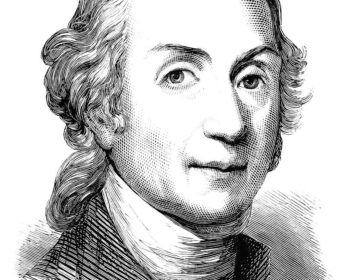
Joseph Priestley (1733 – 1804) was an 18th-century English scientist, theologian, and philosopher known for his diverse contributions to various fields, including chemistry, physics, theology, and political philosophy. His work had a significant impact on both science and society during his time and continues to influence various areas of study…
Horace Wells: Pioneer of Anesthesia
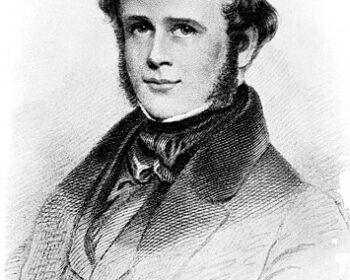
Horace Wells (January 21, 1815 – January 24, 1848) was a pioneering American dentist and physician who played a crucial role in the development and early experimentation of anesthesia. His work laid the foundation for the use of anesthesia in medical procedures, revolutionizing the field of surgery and patient care….
Humphry Davy: Revolutionizing Medicine through Anesthesia Discovery

Humphry Davy, a pioneering figure in the field of chemistry and science, made an indelible mark on the world by not only uncovering new elements but also by revolutionizing the field of medicine through his significant contribution to the development of anesthesia. Born in 1778 in Penzance, Cornwall, Davy’s scientific…
The Role of an anesthesiologist in current-day medical practice
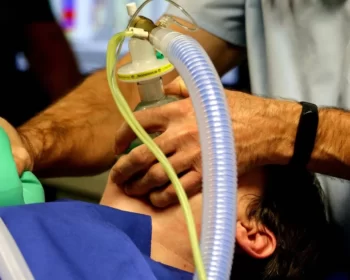
The role of an anesthesiologist in medical practice is vital and multifaceted. Anesthesiologists are highly specialized medical professionals who play a critical role in patient care.
Ketamine

Ketamine is a water-soluble molecule that chemically resembles phencyclidine. It exists as two isomers S(+) and R(-). The S(+) isomer has thr
Recent Trends in Anesthesia: Innovations In Care
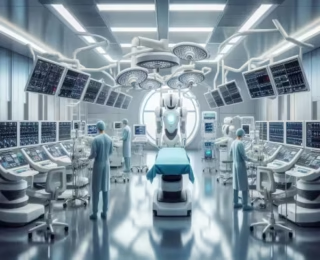
Recent anesthesia trends shift from opioid-free dogma toward rational multimodal analgesia, with fascial plane blocks now strongly endorsed for major surgery. Workforce restructuring favors hybrid staffing and ASC migration, while sustainability drives desflurane phase-out and circular volatile capture. Tele-anesthesia remains proven yet systemically underutilized.
From Ether To Present-Day Anesthesia
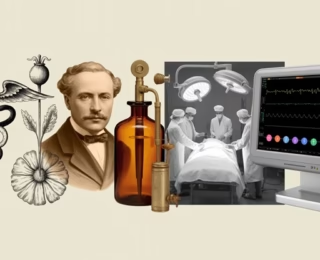
From Ether To Present-Day Anesthesia: A Journey Through the History of Anesthesia The History of Anesthesia is a riveting narrative of human ingenuity, compassion, and the relentless pursuit of a more humane medical practice. It is a story that transforms surgery from a brutal, last-resort ordeal into a controlled, precise,…
The Intriguing World of Anesthesia: Unveiling the Veil of Unconsciousness
In the realm of modern medicine, few advancements have been as transformative and essential as the development of anesthesia. This remarkable medical innovation has enabled painless surgeries and procedures, revolutionizing the field of surgery and saving countless lives. The journey into the intriguing world of anesthesia takes us through its…
Disclaimer!
The information provided on this platform, including but not limited to articles, case studies, clinical scenarios, guidelines, and multimedia content, is intended for educational and informational purposes only.
The authors and editors of this material have made every effort to ensure the accuracy of treatments, drugs, and dosage regimens that conform to currently accepted standards. However, due to continual changes in information resulting from ongoing research and clinical experience, unique aspects of individual clinical situations, as well as the potential for human error; readers must exercise personal judgment when making a clinical decision.
This website may contain third-party information or links to other internet websites. We do not control nor assume responsibility for any third-party content provided nor content on linked Internet websites.
We strongly recommend the visitors of this website to go through its Detailed 'Disclaimer' and 'Terms of Use'.
By accessing, browsing, or using this website, you acknowledge that you have read, understood, and agreed to be bound by the 'Disclaimer' and 'Terms of Use'. If you do not agree with these terms, you must NOT use this website.