Author: Med Doc
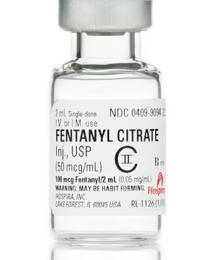
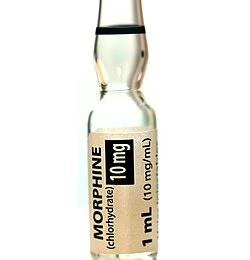
Fentanyl

A cornerstone of anesthesia, Fentanyl is a potent synthetic opioid offering profound analgesia and hemodynamic stability. Its primary danger is rapid-onset respiratory depression and chest wall rigidity. Meticulous dosing and continuous respiratory monitoring are critical to prevent life-threatening complications.
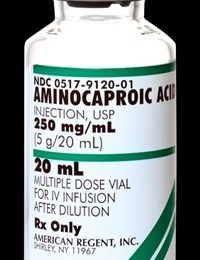
Epsilon Amino Caproic Acid (EACA)

Epsilon Amino Caproic Acid is a fundamental antifibrinolytic agent used to stabilize clots and reduce bleeding in high-risk surgical and trauma patients. While highly effective, its use requires careful patient selection, vigilant monitoring for thrombosis and renal dysfunction, and dose adjustment in renal impairment.
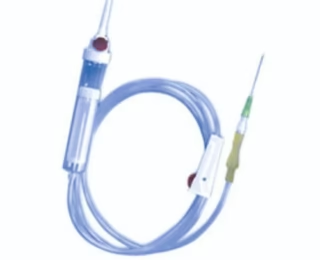
IV Giving Sets & Burettes

In anesthesia, IV giving sets are lifelines, not just tubes. The anesthesiologist selects them deliberately—from standard sets to rapid infusers—for precise fluid and drug delivery. The burette provides critical control for small-volume needs, especially in pediatrics, ensuring meticulous management of the patient’s hemodynamic state.
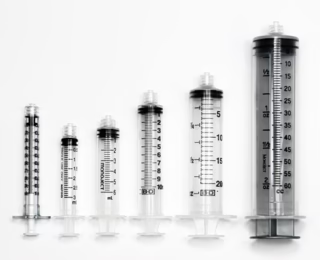
Syringes
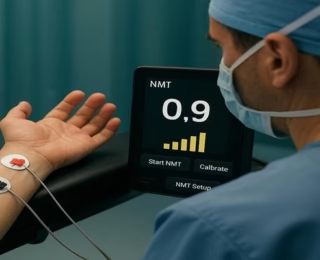
Neuromuscular Transmission (NMT) Monitor

For anesthesiologists, the NMT monitor is an essential safety tool. It provides objective data to precisely manage muscle relaxation, ensuring complete reversal before extubation. This prevents postoperative residual weakness, safeguards the airway, and is fundamental to modern patient safety in the operating room.
STOP-BANG Questionnaire
Roizen’s Grading of Dyspnea
NYHA Functional Classification
EuroSCORE II

EuroSCORE II is the leading risk model for predicting mortality in adult cardiac surgery. It uses 18 variables to provide a personalized percentage risk of death within 30 days of an operation. This powerful tool is essential for guiding informed consent and clinical decision-making for complex procedures.