Category: Miscelleneous
Tele-Anesthesia and Remote Monitoring
Tele-anesthesia leverages high-speed networks and AI to deliver expert anesthesia care from a distance. From a central command center, anesthesiologists can provide real-time oversight for multiple operating rooms, enhancing patient safety and democratizing access to specialist expertise in rural hospitals and ambulatory surgery centers.
Ambulatory and Portable Anesthesia
The practice of anesthesia has decisively moved beyond the traditional hospital operating room, driven by a demand for efficiency, patient comfort, and advanced technology. This evolution has given rise to two critical subspecialties: Ambulatory Anesthesia, focused on rapid recovery for same-day surgery, and Portable Anesthesia, which brings a fully-equipped, mobile anesthetic suite to non-traditional locations like MRI rooms, endoscopy clinics, and dental offices.
Goal-Directed Fluid Therapy (GDFT)
Goal-Directed Fluid Therapy (GDFT) is a modern, evidence-based approach that marks a fundamental shift from traditional fluid management. Instead of relying on static, often misleading parameters like central venous pressure (CVP), GDFT uses real-time, dynamic monitoring to personalize fluid delivery for each patient.
Opioid-Sparing and Opioid-Free Anesthesia (OFA)
Opioid-Sparing and Opioid-Free Anesthesia uses a multimodal approach—combining regional blocks and IV medications like ketamine and lidocaine—to minimize opioid use. This strategy reduces side effects like nausea and ileus, leading to faster recovery and less risk of chronic postoperative pain.
Postoperative Delirium and Postoperative Cognitive Dysfunction
Enhanced Recovery After Surgery (ERAS): A Detailed Overview
Enhanced Recovery After Surgery (ERAS) is a multidisciplinary, evidence-based pathway that minimizes surgical stress. Through coordinated protocols across the perioperative period, it accelerates recovery, reduces complications, and shortens hospital stays, fundamentally improving patient outcomes and experience.
Anesthetic Emergencies
Of course, this is a critical topic yet teaching our future physicians and anesthesiologists to anticipate, recognize, and manage anesthetic emergencies is paramount to patient safety. Here is a structured list of anesthesia emergencies. We have organized them by the physiological system or phase of care, which is a logical…
Anesthesia Techniques
Anesthesiologists employ various techniques and medications to administer anesthesia, tailoring their approach based on the patient’s medical condition, the nature of the surgery, and the desired depth of anesthesia. The primary goal is to induce a state of unconsciousness or analgesia (pain relief) while maintaining physiological stability. Here are some…
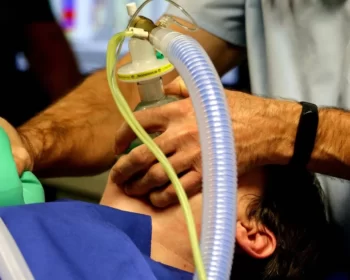
The Role of an anesthesiologist in current-day medical practice
Tele-Anesthesia and Remote Monitoring
Tele-anesthesia leverages high-speed networks and AI to deliver expert anesthesia care from a distance. From a central command center, anesthesiologists can provide real-time oversight for multiple operating rooms, enhancing patient safety and democratizing access to specialist expertise in rural hospitals and ambulatory surgery centers.
Ambulatory and Portable Anesthesia
The practice of anesthesia has decisively moved beyond the traditional hospital operating room, driven by a demand for efficiency, patient comfort, and advanced technology. This evolution has given rise to two critical subspecialties: Ambulatory Anesthesia, focused on rapid recovery for same-day surgery, and Portable Anesthesia, which brings a fully-equipped, mobile anesthetic suite to non-traditional locations like MRI rooms, endoscopy clinics, and dental offices.
Goal-Directed Fluid Therapy (GDFT)
Goal-Directed Fluid Therapy (GDFT) is a modern, evidence-based approach that marks a fundamental shift from traditional fluid management. Instead of relying on static, often misleading parameters like central venous pressure (CVP), GDFT uses real-time, dynamic monitoring to personalize fluid delivery for each patient.
Opioid-Sparing and Opioid-Free Anesthesia (OFA)
Opioid-Sparing and Opioid-Free Anesthesia uses a multimodal approach—combining regional blocks and IV medications like ketamine and lidocaine—to minimize opioid use. This strategy reduces side effects like nausea and ileus, leading to faster recovery and less risk of chronic postoperative pain.
Postoperative Delirium and Postoperative Cognitive Dysfunction
Enhanced Recovery After Surgery (ERAS): A Detailed Overview
Enhanced Recovery After Surgery (ERAS) is a multidisciplinary, evidence-based pathway that minimizes surgical stress. Through coordinated protocols across the perioperative period, it accelerates recovery, reduces complications, and shortens hospital stays, fundamentally improving patient outcomes and experience.
Anesthetic Emergencies
Of course, this is a critical topic yet teaching our future physicians and anesthesiologists to anticipate, recognize, and manage anesthetic emergencies is paramount to patient safety. Here is a structured list of anesthesia emergencies. We have organized them by the physiological system or phase of care, which is a logical…
Anesthesia Techniques
Anesthesiologists employ various techniques and medications to administer anesthesia, tailoring their approach based on the patient’s medical condition, the nature of the surgery, and the desired depth of anesthesia. The primary goal is to induce a state of unconsciousness or analgesia (pain relief) while maintaining physiological stability. Here are some…