


Crack ‘The Core’ - 8 Key Sections Every Student Should Master
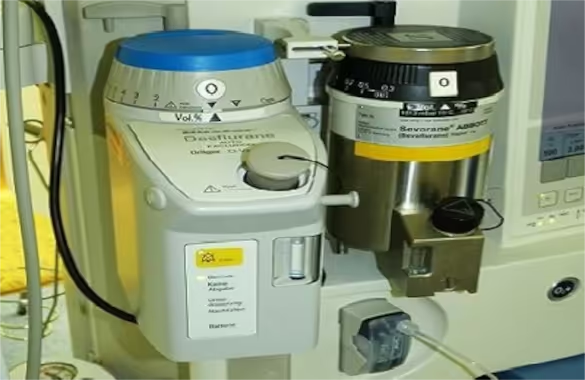
1. INSTRUMENTS & EQUIPMENT USED DURING ANESTHESIA
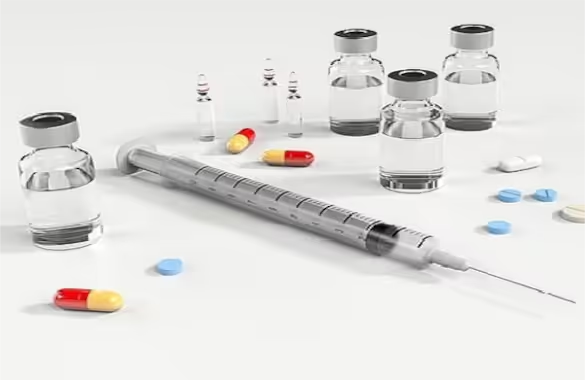
2. ANESTHESIA PHARMACOLOGY & DRUGS
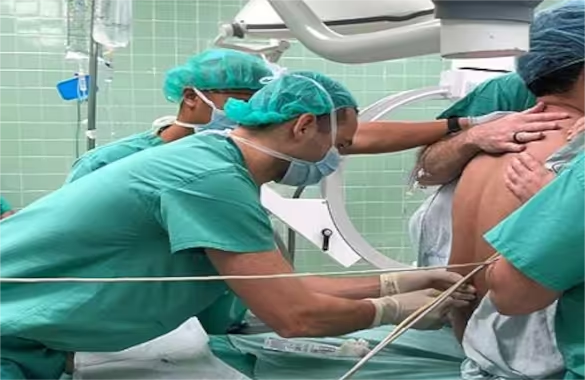
3. PROCEDURES IN ANESTHESIA PRACTICE

4. PRESENTATIONS IN ANESTHESIOLOGY

5. CLINICAL SCENARIOS DURING ANESTHESIA
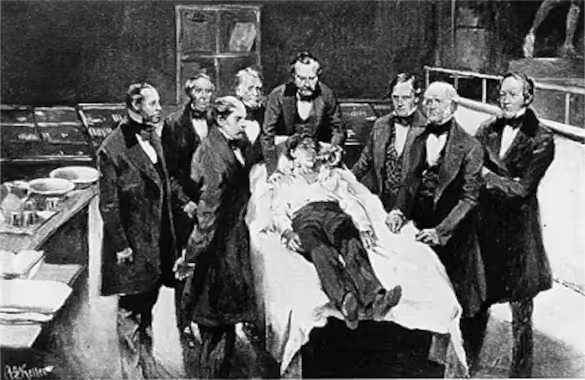
6. HISTORY OF ANESTHESIA

7. ANESTHESIA CLINICAL CALCULATOR
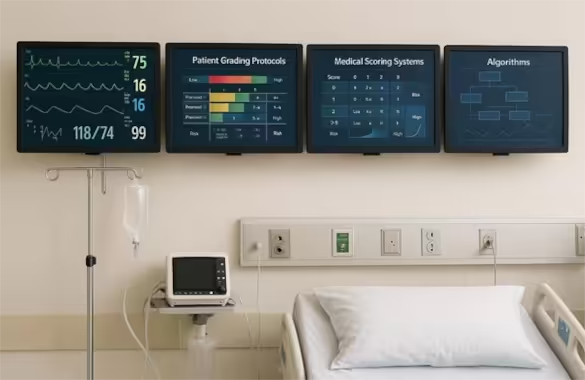
8. SCORING AND GRADING IN ANESTHESIA
Anesthesia Machine & Anesthesia Workstation
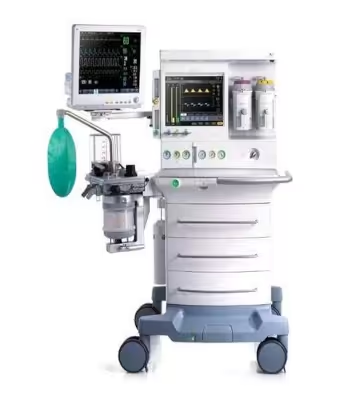 Welcome to the nerve center of the operating room. The anesthesia workstation, with its complex array of dials, circuits, and monitors, can seem like an intimidating beast. But what if you could master it? This comprehensive resource is your guide on a fascinating journey—from the historic, clunky elegance of the Boyle's machine to the sleek, intelligent workstations of Dräger, GE, and Mindray that define modern practice. We will demystify the physics, deconstruct the components, and build your confidence. This isn't just about learning a machine; it's about understanding your most critical partner in ensuring patient safety.
Our journey will be a methodical one. We'll start by laying a strong foundation, exploring the history and the core physics that govern every machine. From there, we'll build up your knowledge piece by piece, dissecting the classic anatomy of an anesthesia machine and mastering the circle breathing system. Only then will we leap into the modern era, comparing the sophisticated features of today's leading workstations. Each module is designed to build upon the last, transforming a daunting subject into a clear, manageable, and ultimately, masterable skill.
Thiopentone Sodium

The drug is a yellowish, hygroscopic powder, stabilized with 6% anhydrous sodium carbonate as a
Commonly Used Drugs in Anesthesia Practice
Anesthesia is a crucial component of modern medicine, enabling surgeons and healthcare providers to perform complex procedures while ensuring the patient’s comfort and safety. Achieving this delicate balance requires the use of various drugs tailored to the individual patient’s needs. Clink for detailed pharmacology of all the Anesthetic Drugs Below,…
Rocuronium

Rocuronium is a non-depolarizing steroidal muscle relaxant of intermediate duration. However, onset may be rapid or intermediate depending on the injected dose.
Drugs in Anesthetic Use
911 in Anesthesia

Karl Koller’s Discovery of the First Local Anesthetic In the realm of medical history, certain moments stand out as pivotal turning points that forever alter the course of patient care and medical practice. One such moment is the discovery of local anesthesia, a revolutionary breakthrough that transformed the field…
World Anesthesia Day
Recognizing a Century of Transformative Medical Care World Anesthesia Day, observed on October 16th each year, commemorates a revolutionary milestone in the history of medical science – the first successful demonstration of ether anesthesia in surgery. This momentous event, which took place on October 16, 1846, marked the beginning of…
List of commonly used instruments and equipment in anesthesia

Here is a list of commonly used instruments and equipment in anesthesia: Anesthesia Machine: The primary device used to deliver a precise mixture of gases (oxygen and anesthetic agents) to the patient. Endotracheal Tube: A tube inserted into the patient’s trachea to maintain a patent airway and facilitate mechanical ventilation….
Laryngoscope
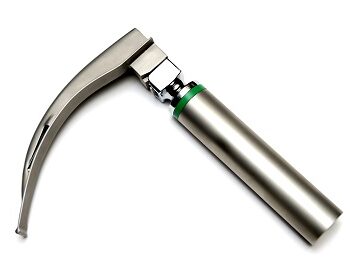
A laryngoscope is a medical device used to visualize the vocal cords and the inside of the larynx (voice box) during intubation or other procedures that require access to the airway. It consists of a handle and a blade that holds a light source to illuminate the area being examined….
Disclaimer!
The information provided on this platform, including but not limited to articles, case studies, clinical scenarios, guidelines, and multimedia content, is intended for educational and informational purposes only.
The authors and editors of this material have made every effort to ensure the accuracy of treatments, drugs, and dosage regimens that conform to currently accepted standards. However, due to continual changes in information resulting from ongoing research and clinical experience, unique aspects of individual clinical situations, as well as the potential for human error; readers must exercise personal judgment when making a clinical decision.
This website may contain third-party information or links to other internet websites. We do not control nor assume responsibility for any third-party content provided nor content on linked Internet websites.
We strongly recommend the visitors of this website to go through its Detailed 'Disclaimer' and 'Terms of Use'.
By accessing, browsing, or using this website, you acknowledge that you have read, understood, and agreed to be bound by the 'Disclaimer' and 'Terms of Use'. If you do not agree with these terms, you must NOT use this website.